
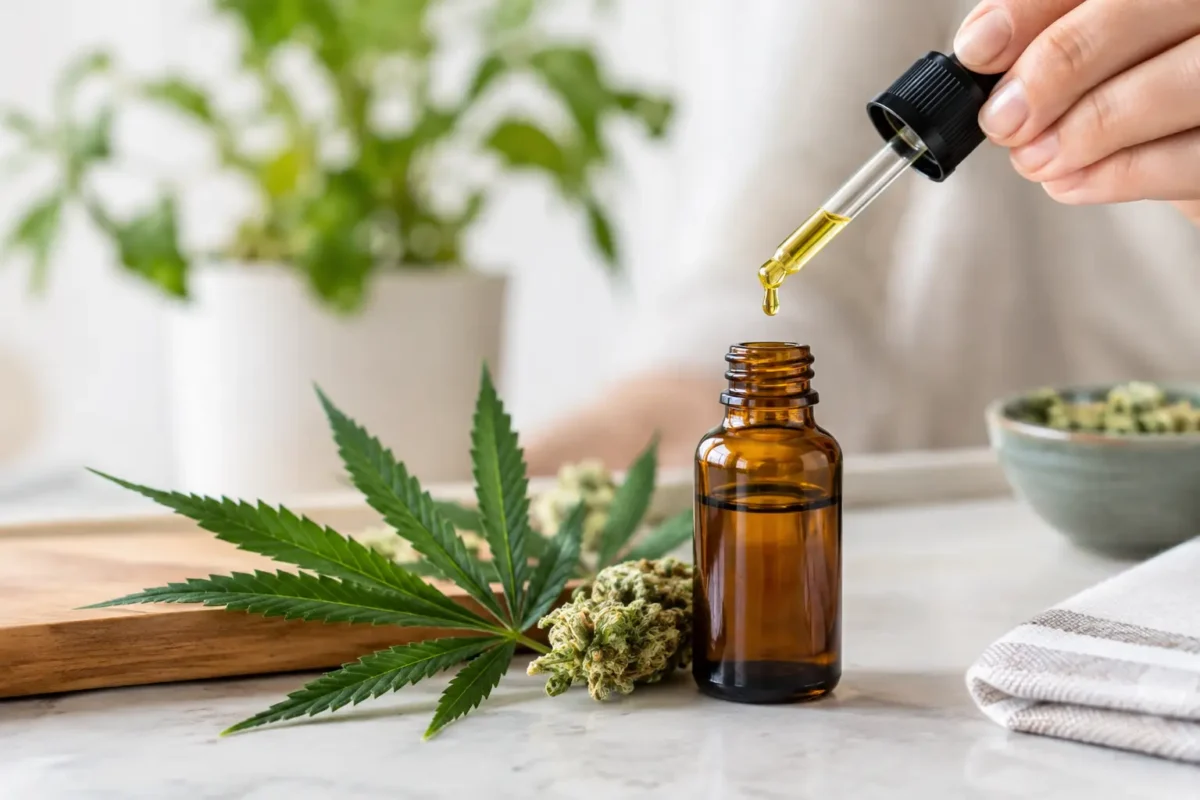
A low price and a pretty bottle can make almost any CBD tincture look like a smart buy. The difference between a product you will feel good about using and one that collects dust in the cabinet is usually on the label and in the lab report. This CBD oil review guide shows adult shoppers exactly what to check before spending money on hemp-derived CBD.
CBD oil can fit easily into a wellness routine, whether you are looking to support a calmer evening, recover after a demanding day, or simply try a non-intoxicating hemp product. But not every oil is made with the same care, extraction method, cannabinoid profile, or level of transparency. A little label literacy goes a long way.
CBD Oil Review Guide: Start With the Label
The front label should tell you the total amount of CBD in the bottle, not just the amount per serving. Both numbers matter. A 30 mL bottle containing 1,500 mg of CBD delivers 50 mg per 1 mL dropper, while a 300 mg bottle of the same size delivers only 10 mg per dropper. That is a major difference in strength and in how long the bottle may last.
Look for a clear supplement facts panel or cannabinoid statement that identifies the serving size, CBD amount, ingredients, and suggested use. Vague wording such as “hemp extract blend” without a CBD quantity makes it difficult to compare products or choose a sensible starting point.
Also check the type of extract. Full-spectrum CBD contains CBD along with naturally occurring hemp compounds, including trace amounts of THC within federal limits. Broad-spectrum CBD contains multiple hemp compounds but is typically formulated without detectable THC. CBD isolate is purified CBD with no other cannabinoids or hemp terpenes.
There is no single best option for everyone. Some shoppers prefer full-spectrum formulas because they want a more complete hemp profile. Others choose broad-spectrum or isolate products because they want to avoid THC exposure. If you are subject to drug testing, remember that even federally compliant full-spectrum products may carry a risk. Broad-spectrum products may be a better fit, but no CBD product can guarantee a negative test result.
Third-Party Lab Tests Are Non-Negotiable
A trustworthy CBD brand should provide a current certificate of analysis, often called a COA, from an independent laboratory. This is the proof behind the label. It should match the specific product or batch you are considering, not a generic report from years ago.
Start by checking cannabinoid potency. The report should show that the CBD content is reasonably close to what the label claims. Small variation can happen, but a product that tests far below its advertised strength is not a good value, regardless of its sale price.
Then review the safety panel. A thorough COA may screen for heavy metals, pesticides, residual solvents, microbial contaminants, and mycotoxins. Hemp can absorb compounds from the soil, which makes clean sourcing and independent testing especially important. A brand that makes lab results hard to find is asking you to take its word for it. Better brands make verification simple.
For full-spectrum products, check the delta-9 THC result as well. Federally legal hemp products must contain no more than 0.3% delta-9 THC by dry weight, although state rules can differ. Adult shoppers should always review local laws before ordering or traveling with CBD products.
Compare Strength, Serving Size, and Price Fairly
CBD oil pricing is easiest to understand when you calculate the cost per milligram of CBD. Divide the bottle price by the total milligrams of CBD, not the number of servings. This helps you compare a 500 mg bottle against a 1,000 mg or 3,000 mg formula without getting distracted by bottle size or marketing claims.
A lower cost per milligram can be a good sign, but it is not the only sign. Extremely cheap CBD may reflect weak potency, poor-quality carrier oil, missing testing, or outdated inventory. On the other hand, the most expensive oil is not automatically superior. You are looking for a balanced combination of verified potency, clean ingredients, transparent sourcing, and a price that makes sense for regular use.
Consider how much CBD you expect to use. A beginner may prefer a lower-strength bottle because it is easier to adjust servings in small increments. Someone who already knows they prefer higher daily amounts may get better value from a stronger tincture. Neither choice is universally right. The best format is the one you can use consistently and comfortably.
Read the Ingredient List, Not Just the CBD Claim
Most CBD oils use a carrier oil to help with measuring and absorption. MCT oil, derived from coconut, is common because it has a mild flavor and thin texture. Hemp seed oil is another popular choice, though it does not naturally provide the same CBD content as hemp extract. Olive oil may appeal to shoppers who prefer a familiar pantry-style ingredient.
The carrier matters if you have food sensitivities, dietary preferences, or simply dislike a certain taste. Flavored oils may contain natural flavors, sweeteners, or essential oils. A short ingredient list is often easier to evaluate, especially for first-time buyers.
Be careful with products that make oversized health promises. CBD is not a cure-all, and reputable sellers should not present it as a replacement for medical care or prescribed medication. If you take medications, are pregnant or nursing, or have a medical condition, speak with a qualified healthcare professional before adding CBD to your routine. CBD can interact with certain medications.
Choose the CBD Oil That Fits Your Routine
Tinctures are popular because they are flexible. You can place a measured serving under the tongue, hold it briefly, then swallow, or add it to a drink if the flavor works for you. Sublingual use may feel more convenient for people who want a simple, adjustable routine, while mixing oil into a beverage can be more comfortable for newcomers.
Flavor is more than a minor detail. Natural hemp can taste earthy, peppery, or grassy because of its plant compounds. If that sounds unpleasant, a mint, citrus, or berry formula may help you stick with the product. If you want the simplest formula possible, unflavored oil is often the better choice.
Start low and move slowly. Many people begin with a modest serving and give themselves time to assess how it fits their routine before increasing. Keep your timing consistent for several days rather than changing your serving every few hours. Personal response can vary based on body size, metabolism, product type, food intake, and individual sensitivity.
Red Flags That Should Make You Walk Away
A good CBD review is not only about finding reasons to buy. It should also help you spot warning signs. Move on if a product has no accessible third-party testing, hides the total CBD amount, or uses medical claims to pressure a purchase.
Be cautious when labels confuse hemp seed oil with CBD oil. Hemp seed oil can be a nutritious carrier oil, but it is not the same as a CBD extract. If the bottle does not clearly state how many milligrams of CBD it contains, do not assume it delivers meaningful CBD.
Other concerns include no batch number, no company contact information, unclear sourcing, and a price that seems too good to be true. A trusted hemp retailer should make it easy to understand what you are buying, where it came from, and how it was tested.
A Smarter Way to Shop for CBD Oil
Before checking out, compare the label against the COA, confirm the extract type, review the ingredient list, and calculate the cost per milligram. That takes a few minutes and can save you from buying a weak or poorly documented product. Royale Hemp focuses on making that product discovery process easier with curated, lab-tested hemp options for adult shoppers.
The right CBD oil is not necessarily the strongest bottle or the one with the loudest promise. Choose a clearly labeled, independently tested formula that fits your budget, preferences, and daily routine, then give yourself room to learn what works for you.
📅 Last updated:

 Edibles
 Hybrid Flower – THCA