
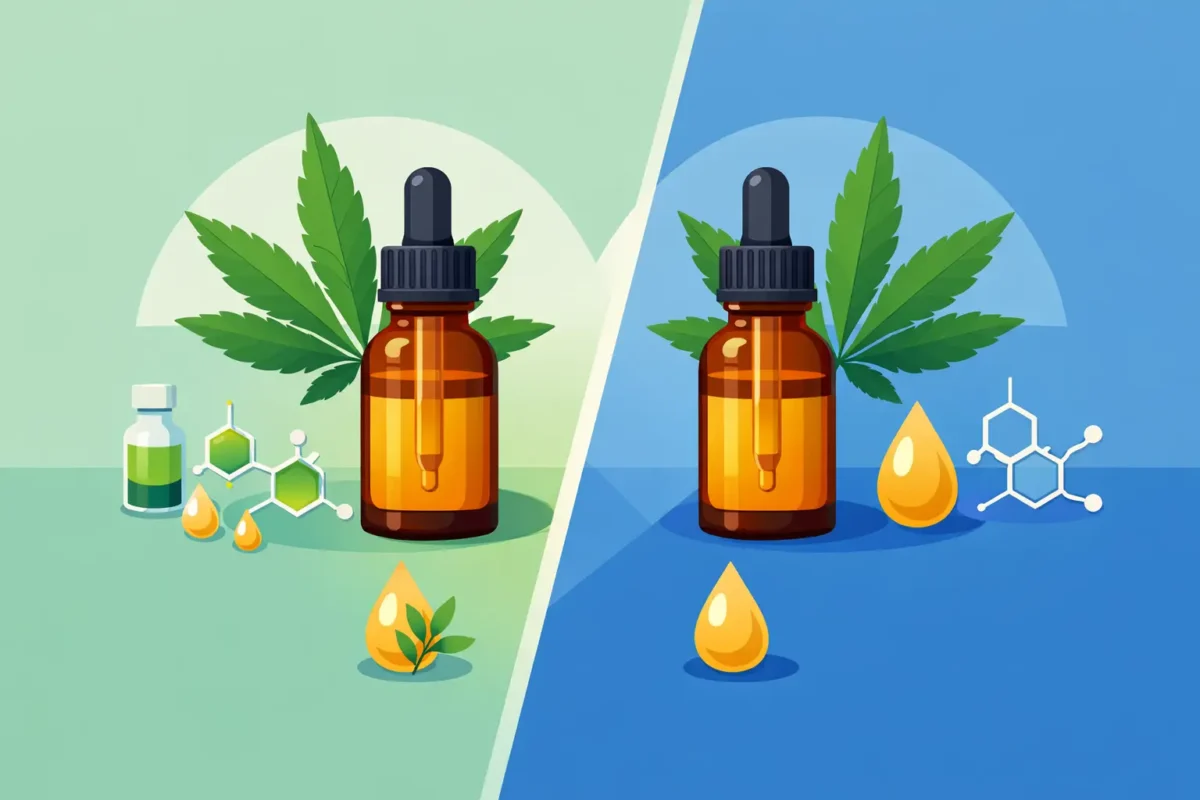
A CBD label can look simple until you see the words “full spectrum” or “broad spectrum.” In the full spectrum vs broad spectrum decision, the biggest difference is not marketing language—it is whether the product contains THC alongside CBD and other naturally occurring hemp compounds. That distinction can shape how a product feels, whether it suits your routine, and whether it is a smart option for someone subject to drug testing. Understanding full spectrum vs broad spectrum is essential for making informed decisions.
For shoppers who want legal, lab-tested hemp products without guesswork, the right choice starts with knowing what is actually in the bottle, gummy, vape, or flower product. Here is what those labels mean and how to buy with more confidence.
What Is Full Spectrum CBD?
Full spectrum CBD is made to preserve a broad range of compounds from the hemp plant. Depending on the product and extraction method, that can include CBD, minor cannabinoids such as CBG and CBN, terpenes, flavonoids, and federally compliant levels of delta-9 THC.
For those exploring the differences, the full spectrum vs broad spectrum debate often highlights the presence of THC as a key factor affecting user experience.
Under federal hemp rules, a hemp product must contain no more than 0.3% delta-9 THC by dry weight. That does not mean full spectrum products are THC-free. A small amount can still be present, and it may matter to people who are sensitive to THC or use a product frequently.
Many adults choose full spectrum products because they prefer a whole-plant hemp profile. You may hear this described as the entourage effect—the idea that cannabinoids and terpenes may work differently together than CBD used alone. Research is still developing, so it is better to view this as a preference and a product characteristic, not a guaranteed outcome.
Full spectrum CBD may be a strong fit for an experienced hemp shopper who wants more of the plant’s native compounds in one formula. It is also common in tinctures, softgels, gummies, topical formulas, and hemp flower products.
The trade-off with full spectrum
The same THC content that appeals to some shoppers creates a real consideration for others. Even federally legal hemp-derived THC may be a problem if you need to avoid any THC exposure, are new to cannabinoids, or receive routine workplace drug testing.
A standard drug test generally does not care whether THC came from marijuana or federally legal hemp. It screens for THC metabolites. There is no reliable way to promise that a full spectrum product will not contribute to a positive test result, especially with regular use. If passing a drug test is essential, avoiding THC-containing products is the more cautious choice.
When considering your options, weigh the pros and cons of both full spectrum and broad spectrum products in the context of the full spectrum vs broad spectrum discussion.
What Is Broad Spectrum CBD?
Broad spectrum CBD starts with a multi-compound hemp extract but undergoes additional processing intended to remove THC. It can still contain CBD, other non-THC cannabinoids, and terpenes, which makes it different from CBD isolate.
The choice between full spectrum and broad spectrum is significant; many users find themselves pondering the full spectrum vs broad spectrum question as they navigate their options.
For many people, broad spectrum is the middle ground: more plant compounds than an isolate, without intentionally included THC. It is a popular choice for daytime wellness routines, first-time CBD users, and shoppers who want to avoid THC for personal, professional, or practical reasons.
Still, “THC-free” should never be taken on faith alone. Hemp extraction and formulation are technical processes, and quality varies across the market. Look for a current third-party certificate of analysis, often called a COA, that shows a non-detectable result for delta-9 THC. The report should match the product’s batch or lot number whenever possible.
Broad spectrum is not the same as CBD isolate.
CBD isolate contains CBD that has been refined to remove other hemp plant compounds. Broad spectrum products generally retain a wider cannabinoid and terpene profile while removing THC.
That difference can matter if you enjoy the aroma, flavor, and fuller plant character associated with hemp extracts. It can also matter if you are comparing labels. A product marketed as broad spectrum should not simply be plain CBD isolate with a higher price tag. The lab report can help confirm the presence of other cannabinoids and verify the THC result.
Full Spectrum vs Broad Spectrum: The Key Differences
In the full spectrum vs broad spectrum debate, understanding the nuances can help you find the right product for your needs.
The easiest way to compare these two options is to focus on THC, cannabinoid profile, and your comfort level.
Full spectrum products contain a range of hemp compounds, including trace amounts of federally compliant delta-9 THC. Broad spectrum products are designed to offer multiple hemp compounds while testing non-detectable for THC. Both may include CBD, minor cannabinoids, and terpenes, although exact formulas vary widely by brand and batch.
This is a pivotal moment for consumers in the ongoing full spectrum vs broad spectrum conversation, as the benefits and drawbacks of each type continue to emerge.
Neither label automatically means one product is stronger or better. A full spectrum tincture with 25 mg of CBD per serving and a broad spectrum tincture with 25 mg of CBD per serving may offer very different experiences due to their ingredient profiles, but the better pick depends on your goals and tolerance.
Flavor can be another practical difference. Full spectrum oils often have a more noticeable earthy, grassy hemp taste. Broad spectrum products can also taste botanical, though some formulas are milder or use natural flavors to make daily use easier.
Exploring flavor profiles can also inform your choice in the full spectrum vs broad spectrum landscape, guiding you to the right product.
How to Choose the Right Hemp Product for You
Start with your non-negotiables. If you want to avoid THC because of personal preference or drug testing, choose broad spectrum or isolate and verify the COA before buying. Do not rely solely on front-label claims.
Your decision in the full spectrum vs broad spectrum realm depends greatly on your personal health goals and cannabinoid preferences.
If you are comfortable with trace THC and prefer a fuller hemp profile, full spectrum may make sense. Begin with a low serving, especially if you are new to CBD or combining it with other cannabinoids. Give your body time to respond before increasing the amount.
Your preferred format matters, too. Tinctures make it easier to adjust your serving size. Gummies are convenient and discreet, but their effects may take longer to appear because they are consumed orally. Vapes act faster but are not the right format for everyone. Topicals are typically chosen for targeted application and do not provide the same experience as ingestible products.
For hemp flower, the comparison becomes even more important. Full spectrum flower naturally contains a broad cannabinoid and terpene profile, with federally compliant THC levels that can vary by strain and batch. Always review the product’s lab results instead of assuming every flower product has the same cannabinoid content.
What to Check Before You Buy
A trustworthy hemp product should make verification easy. Third-party testing is one of the clearest signals that a seller takes quality seriously. A complete COA should report cannabinoid potency and screen for contaminants such as pesticides, heavy metals, residual solvents, and microbial impurities.
Check the serving size as closely as the total CBD listed on the package. A bottle may advertise 1,500 mg of CBD, but what matters for everyday use is how much CBD is in each dropper, capsule, or gummy. For full spectrum products, look specifically at the delta-9 THC result. For broad spectrum products, confirm that THC is listed as non-detectable rather than assuming it has been removed.
Keep in mind the full spectrum vs broad spectrum comparison when selecting your products based on testing and ingredient transparency.
It also pays to read the entire ingredient panel. Carrier oils, sweeteners, flavorings, and added botanicals affect the product experience. If you have allergies, take prescription medication, are pregnant or nursing, or have a medical condition, speak with a qualified healthcare professional before adding fullspectrum cbd or other cannabinoids to your routine.
Does Legal Hemp Mean It Is Legal Everywhere?
Understanding the implications of legality can add depth to your full spectrum vs broad spectrum considerations.
Federally compliant hemp products are generally defined by the 0.3% delta-9 THC limit on a dry-weight basis, but state and local rules can differ. Product categories, cannabinoids, shipping rules, and age requirements may change depending on where you live.
That is why responsible shopping means checking your local laws and purchasing from retailers that provide transparent product details and lab documentation. Adult consumers should also follow product labels carefully and keep hemp products away from children and pets.
Responsible shopping in the context of the full spectrum vs broad spectrum discussion ensures you make informed choices.
Choose the Spectrum That Fits Your Routine
The full spectrum vs broad spectrum choice comes down to a straightforward question: are you comfortable with trace THC, or do you want a THC-free hemp extract? Full spectrum can appeal to shoppers seeking a more complete plant profile, while broad spectrum offers a practical path for people who want CBD and other hemp compounds without intentionally consuming THC.
Ultimately, the discussion of full spectrum vs broad spectrum will guide you to the most suitable product for your needs.
At Royale Hemp, clear product information and third-party testing help make that decision easier. Choose a format you will actually use consistently, check the batch report, and let your own comfort level with THC guide the final call.
At Royale Hemp, we emphasize clarity in the full spectrum vs broad spectrum conversation to help you make the best choice.

 Hybrid Flower – THCA