
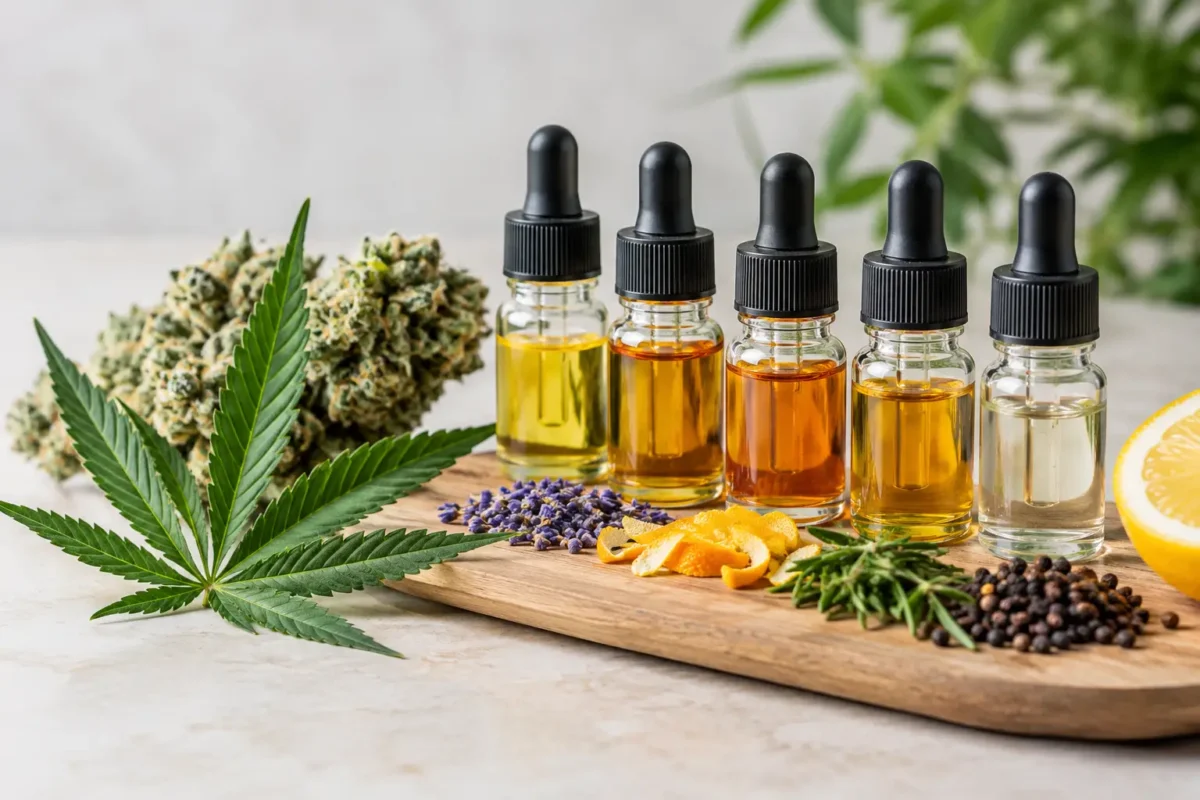
A jar can look great, carry an impressive cannabinoid percentage, and still be the wrong hemp flower for your routine. Aroma is often the clue that shoppers miss. This hemp terpene profiles guide explains what creates those citrus, pine, floral, peppery, and earthy notes—and how to use them to make a more confident pick. In this hemp terpene profiles guide, we explore various aromas and their effects.
Terpenes are not a magic effects chart. Your experience can vary with the product’s cannabinoid content, dose, format, tolerance, setting, and your body. Still, a transparent terpene profile gives you more useful information than a strain name alone. For adult shoppers seeking federally legal hemp products, it is one more way to compare options beyond price and potency.
This hemp terpene profile guide offers advice on how to choose the best products.
What a Hemp Terpene Profile Actually Tells You
Terpenes are aromatic compounds found throughout nature, including hemp, herbs, fruit peels, and conifer trees. In hemp flower, they help create the scent and flavor that make one cultivar smell like lemon zest while another leans toward fresh pine, lavender, or black pepper.
Understanding the hemp terpene profiles guide can enhance your shopping experience.
A terpene profile is the mix of these compounds present in a batch. It may be listed on a product page or, better yet, on a third-party certificate of analysis, often called a COA. A profile can identify dominant terpenes and sometimes show their percentages. That information helps you compare fresh, carefully handled flower with products that may be older, poorly stored, or light on natural aroma.
Terpenes also work alongside cannabinoids such as CBD, CBG, and federally compliant hemp-derived THC. Researchers are still studying how these compounds interact, so it is smarter to treat common terpene associations as shopping clues rather than guarantees. If a seller promises a specific feeling from one terpene alone, take that claim with a grain of salt.
For a comprehensive understanding, refer to the hemp terpene profiles guide.
How to Read a Hemp Terpene Profiles Guide on a COA
Start by checking that the COA matches the product batch you are considering. A legitimate report should identify the product or lot, list the testing laboratory, and include cannabinoid results. For hemp flower, review total THC and make sure the product is represented as compliant with applicable federal requirements. State and local laws can differ, so confirm the rules where you live before ordering.
Next, look for a terpene panel. The dominant terpene is usually listed first or has the highest percentage. The first two or three terpenes often tell you the most about the flower’s aromatic direction. A citrus-forward profile with limonene and myrcene will smell and taste very different from a profile led by pinene and caryophyllene.
Total terpene content can be useful, but it is not a universal quality score. Higher numbers may mean a louder aroma, yet freshness, cure quality, cultivation, and personal preference still matter. A balanced 1.5% profile from a well-cured flower can be more enjoyable than a sharper, less appealing 3% profile.
The hemp terpene profiles guide is essential for discerning shoppers.
The Most Common Hemp Terpenes
Myrcene: earthy, musky, and herbal
Refer to the hemp terpene profiles guide for detailed descriptions.
Myrcene is often associated with earthy, clove-like, mango-like, or lightly musky aromas. Shoppers who enjoy a softer, deeper flavor often gravitate toward myrcene-forward flower. It is commonly discussed in relation to a laid-back, evening-friendly vibe, but the full cannabinoid profile and your dose matter just as much.
Limonene: bright citrus and fruit peel
This information is summarized in the hemp terpene profiles guide.
Limonene brings the scent of lemon, orange peel, or sweet citrus candy. It is a natural fit for people who prefer a clean, upbeat aromatic profile rather than something heavy or skunky. Many shoppers reach for limonene-rich hemp when they want a flavorful daytime option, though aroma preference is the most reliable reason to choose it.
Beta-caryophyllene: pepper, spice, and warm wood
With the hemp terpene profiles guide, you can identify your preferences.
Beta-caryophyllene is responsible for notes of black pepper, baking spice, and dry wood. It can make a profile feel more complex and grounded, especially when paired with citrus or pine terpenes. If you like bold, savory flower, this is one terpene worth spotting on the lab report.
Pinene: pine needles and fresh herbs
The hemp terpene profiles guide also mentions lesser-known terpenes.
Pinene smells like a walk through a pine forest, rosemary, or crisp herbs. It often appears in bright, outdoorsy profiles and can keep sweet or earthy notes from feeling too dense. Alpha-pinene and beta-pinene are both common, so you may see either one on a COA.
Linalool: floral, soft, and lavender-like
Linalool has a floral, lavender-like character that can soften sharper pepper or citrus notes. It is frequently chosen by shoppers who prefer a gentler aromatic experience. Because linalool may appear at a lower percentage than the top terpene, check the entire panel rather than only the first line.
Match the Aroma to Your Routine
Utilize the hemp terpene profiles guide to match aromas with your lifestyle.
The best way to use terpenes is to begin with the kind of experience you enjoy, then compare lab-tested products that fit that direction. Avoid treating cultivar names as a shortcut. The same name can vary by grower, harvest, and batch.
For a bright daytime flavor
Our hemp terpene profiles guide reveals the best choices for daytime use.
Look for limonene, pinene, or both near the top of the profile. These often create citrus, fresh herb, and forest-like aromas that many people find appealing earlier in the day. A CBD or CBG-rich formula may be a better match if you want to keep the focus on non-intoxicating cannabinoids.
For a richer evening aroma
Refer to the hemp terpene profiles guide for evening options.
Myrcene, linalool, and caryophyllene often create fuller, warmer profiles. Think earthy flower, soft florals, pepper, and spice. That does not mean the product will automatically make you sleepy or relaxed, but it can help you find a flavor profile that feels more suited to winding down.
For a balanced, all-around profile
Your journey begins with the hemp terpene profiles guide.
Choose a flower with a mix rather than one dominant note. Limonene plus caryophyllene can be citrusy and peppery, while myrcene plus pinene can bring earth and fresh pine together. These balanced profiles are a smart place to start for first-time shoppers who do not yet know their preferences.
What Terpene Profiles Cannot Tell You
Find out more in the hemp terpene profiles guide.
A terpene panel does not replace a complete product review. It cannot tell you whether the flower was grown responsibly, whether it contains unwanted contaminants, or whether it will agree with you personally. That is why third-party lab testing should cover more than cannabinoids and terpenes when available, including screening for pesticides, heavy metals, microbial contaminants, and residual solvents.
It also cannot overcome poor storage. Terpenes are volatile, meaning heat, air, and light can degrade them over time. Buy in amounts you can reasonably enjoy while fresh, keep the flower in an airtight container, and store it somewhere cool and dark. If a product smells flat when you open it, the original terpene percentage on the COA may no longer reflect the experience in your jar.
Keep this in mind while referencing the hemp terpene profiles guide.
Shop Smarter for Terpene-Rich Hemp
When comparing affordable hemp flower, pre-rolls, vapes, or extracts, prioritize clear batch details over flashy strain marketing. Look for current third-party lab results, an identifiable terpene panel, straightforward cannabinoid information, and product descriptions that do not make unrealistic wellness promises. Vapes can offer concentrated flavor, while flower gives you a more direct read on the natural aroma of the cultivar. Pre-rolls offer convenience, but fresh packaging matters.
For clarity, always check the hemp terpene profiles guide.
Royale Hemp helps simplify the search by curating lab-tested, federally legal hemp options from trusted vendors. Whether you prefer citrus-forward flower, peppery pre-rolls, or a smooth floral vape, the goal is not to find the “best” terpene profile for everyone. It is to find a transparent, well-made product whose aroma and cannabinoid profile fit your preferences.
Start with a small amount, pay attention to the scent and flavor you genuinely enjoy, and keep notes on the dominant terpenes in products you would buy again. After a few purchases, the lab report will stop looking like chemistry homework and start becoming one of your most useful shopping tools.
Ultimately, the hemp terpene profiles guide will be your best resource.
Check our Latest products!
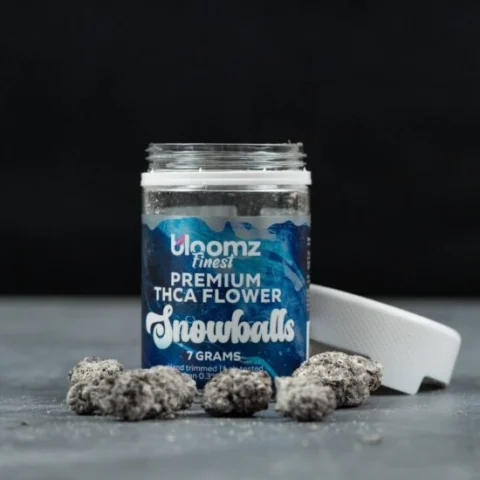
Hybrid Flower - THCA
Concetrates

CBD Pre Rolls
Hybrid Flower - THCA
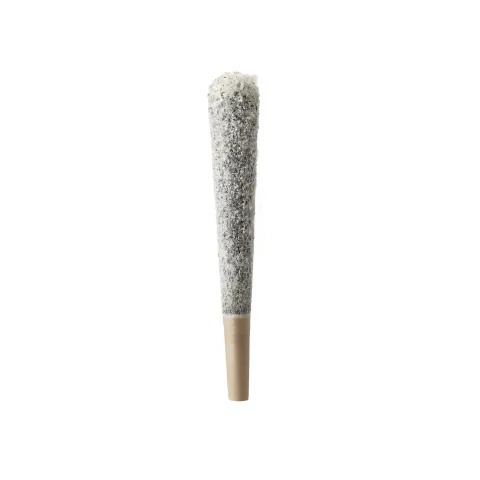
Diamond Coated Pre-Roll – Hybrid Blend | Premium THCA Experience
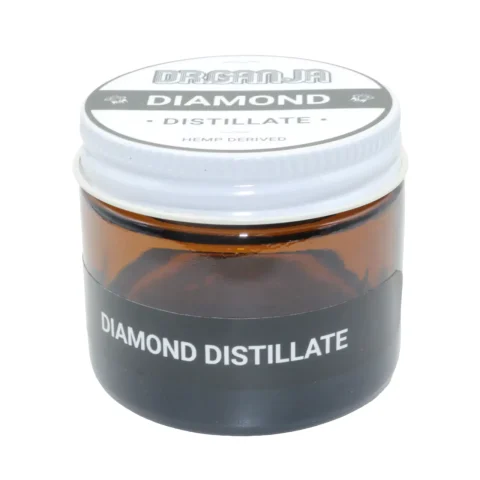
Concetrates
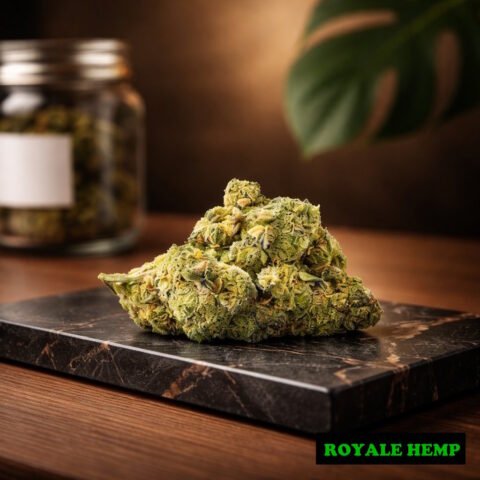
Hybrid Flower - THCA
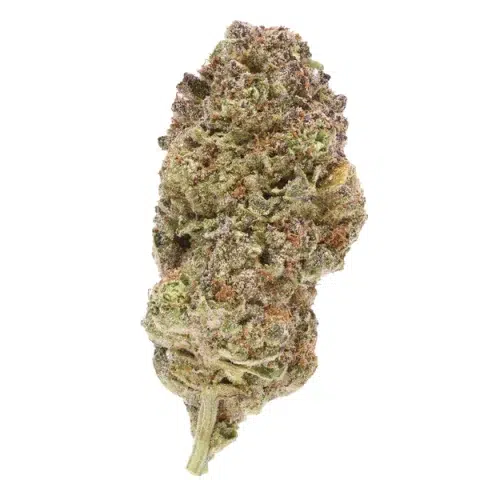
Hybrid Flower - THCA

 Edibles
 Hybrid Flower – THCA