

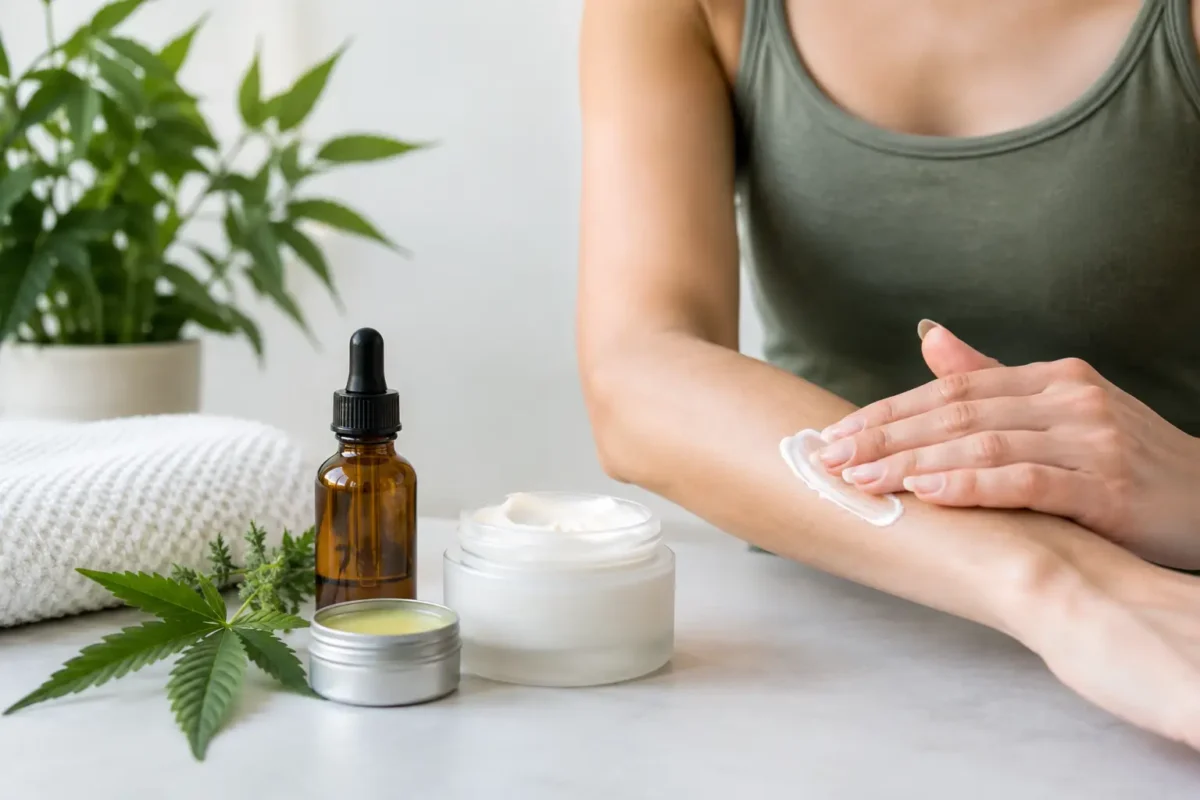
A sore neck after a long day at a desk. Hands that feel overworked after gardening. Calves that need a little extra attention after the gym. These are the moments when shoppers often ask, what are CBD topicals, and whether they belong in a daily wellness routine.
CBD topicals are hemp-derived products applied directly to the skin. They include creams, lotions, balms, salves, roll-ons, body oils, and patches formulated with cannabidiol (CBD) and often other skin-friendly or comfort-focused ingredients. Rather than swallowing CBD in an oil, capsule, or gummy, you apply a topical to a specific area of the body.
For adults looking for a simple, no-fuss hemp option, topicals can make sense. They are portable, familiar to use, and easy to work into the routines you already have. The key is choosing a formula with transparent ingredients, clear cannabinoid information, and third-party lab testing.
What Are CBD Topicals Designed to Do?
CBD topicals are designed for localized use. You place the product where you want it – such as your shoulders, knees, hands, feet, or back – then massage it into the skin. Many people use them as part of a post-workout routine, after physically demanding work, before bed, or whenever they want targeted everyday comfort.
The experience depends heavily on the formula. A plain CBD lotion may feel moisturizing and gentle. A CBD cooling gel with menthol can create an immediate cool sensation. A balm containing warming botanical ingredients may feel completely different. In other words, CBD milligrams tell only part of the story. The carrier oils, fragrance, essential oils, and active botanical ingredients shape how a topical feels on your skin.
Topicals are not the same as a CBD tincture or edible. With ingestible products, CBD is taken by mouth and processed by the body. With most CBD creams and balms, the product is intended to remain local to the area where it is applied. That distinction appeals to shoppers who want a targeted product without adding another capsule or gummy to their day.
How CBD Topicals Work on the Skin
Your skin has its own complex barrier, and topical formulas are made to sit on or move into its outer layers. CBD interacts with the body’s endocannabinoid system, a system involved in many normal processes. Researchers are still studying exactly how topical CBD performs in different settings, so brands should avoid treating it as a guaranteed fix for pain, inflammation, or any medical condition.
What you may notice right away is often related to the rest of the formula. Menthol may feel cooling. Camphor may bring a strong, recognizable topical sensation. Shea butter, coconut oil, and aloe can add moisture and slip, making a product pleasant to massage into dry skin. Ingredients like arnica, eucalyptus, and peppermint are common in wellness-focused rubs, although individual skin reactions can vary.
A transdermal CBD patch is a separate category worth knowing about. Standard creams, salves, and lotions are generally intended for localized application. Transdermal products are engineered to help ingredients pass through the skin more deeply and may have a different intended effect. Always read the label rather than assuming every CBD topical works the same way.
Common Types of CBD Topicals
CBD creams and lotions are usually the best match for broad areas and everyday moisturizing. They tend to spread easily, absorb fairly quickly, and fit naturally into a skin-care routine. A lotion may be useful for arms, legs, hands, or shoulders, especially if you prefer a lighter texture.
CBD balms and salves are thicker and more concentrated in feel. They are often made with waxes, butters, and oils, so they can be a better choice for small, targeted areas such as knuckles, feet, elbows, or a specific tight spot. The trade-off is that they may leave more residue on the skin.
Roll-ons offer convenience. Their applicator makes it easier to apply product without getting balm on your hands, which is useful for travel bags, gym lockers, and quick touch-ups. Gels are another popular option, especially for shoppers who prefer a fast-drying texture or a cooling sensation.
CBD body oils and bath products lean more toward relaxation and skin care. They can turn a shower, bath, or evening massage into a more intentional wind-down ritual, but they are not always the most practical option for targeted daytime use.
Full-Spectrum, Broad-Spectrum, and CBD Isolate
The cannabinoid profile matters when choosing CBD topicals. CBD isolate contains CBD without other hemp compounds. It is a straightforward option for shoppers who want a formula centered on CBD alone.
Broad-spectrum CBD generally includes multiple hemp-derived cannabinoids and compounds while removing detectable THC. Full-spectrum CBD includes a wider range of hemp compounds and may contain federally legal trace amounts of delta-9 THC, typically no more than 0.3% by dry weight in compliant hemp products.
For a topical, the best option comes down to your preferences and comfort level. Some shoppers specifically seek full-spectrum hemp extracts. Others prefer broad-spectrum or isolate products because they want to avoid THC exposure. If drug testing is a concern, be especially cautious with full-spectrum products. Even legal hemp products can create risk depending on the formula, frequency of use, and the type of test involved.
How to Choose a Quality CBD Topical
The CBD market gives shoppers plenty of choices, but not every jar with a hemp leaf on the label deserves your money. Start by checking the CBD amount for the entire container. A 500 mg cream, for example, contains 500 mg of CBD in the full jar – not necessarily in each application. Consider the container size, too. A high milligram number in a large bottle may be less concentrated than it first appears.
Look for a current third-party certificate of analysis, often called a COA. Quality testing should confirm the cannabinoid content and screen for contaminants such as pesticides, heavy metals, residual solvents, and microbial impurities. This is one of the clearest signs that a brand takes transparency seriously.
Read the complete ingredient list. If you have sensitive skin, avoid formulas packed with strong fragrances or essential oils you have not used before. If you want a cooling or warming product, make sure you know what creates that sensation. Natural does not automatically mean irritation-free.
At Royale Hemp, product discovery should feel less like guesswork. Choosing lab-tested, clearly labeled hemp products gives you a stronger starting point than buying the first topical you see at a gas station or marketplace listing.
How to Use CBD Topicals Safely
Apply a small amount to clean, dry skin and massage it into the desired area. Start conservatively, especially with products containing menthol, camphor, or essential oils. You can add more if the texture and sensation work for you.
Patch testing is smart, particularly if you have sensitive skin. Apply a small amount to a limited area and wait to see how your skin responds. Do not use a topical on broken, irritated, or sunburned skin unless the product label and a healthcare professional say it is appropriate. Keep it away from your eyes, mouth, and other sensitive areas, and wash your hands after application.
Follow the label for reapplication guidance. More product is not always better, and combining several strong topical ingredients can be uncomfortable. If you are pregnant, nursing, managing a health condition, taking medication, or shopping for someone with sensitive skin, speak with a qualified healthcare professional first.
Hemp-derived CBD products may be federally legal when they meet applicable requirements, but state rules can differ. Product availability and shipping eligibility can also vary by location, so check your local regulations and the seller’s current policies before ordering.
Are CBD Topicals Right for Your Routine?
CBD topicals are a practical format for adults who want targeted, skin-applied hemp wellness products. They are especially appealing if you dislike the taste of tinctures, do not want an edible, or simply want a product that fits beside your lotion, workout gear, or bedside essentials.
Set realistic expectations. The right topical can feel like a useful part of a comfort, recovery, or self-care ritual, but it is not a substitute for medical diagnosis or treatment. The best choice is one you will actually use consistently: a texture you like, ingredients your skin tolerates, and testing you can trust. Start with a quality formula, pay attention to how your body responds, and let your routine guide the next jar you choose.

 Edibles
 Hybrid Flower – THCA